Most homes rely on a gas boiler without giving it much thought. When it works, it fades into the background like a dependable rhythm. When it goes wrong, the stakes are immediate: no heat, no hot water, and in the worst case, a safety risk. The right safety checks prevent emergencies and keep your system efficient, quiet, and within warranty. They also tell you, plainly, when it is time to book a professional gas boiler repair or call for urgent help.
I have spent years on cold kitchen floors tracing intermittent lockouts, on ladders inspecting flues in tight lofts, and on the phone walking worried families through safe shutdowns. The same patterns show up across properties of every age, from terrace houses in Leicester’s West End to newer builds in Hamilton and Thurmaston. Boilers tell a story if you know what to listen for. This guide lays out what every homeowner can do confidently, what a Gas Safe registered boiler engineer must handle, and how to use routine checks to avoid expensive surprises.
Why safety checks matter beyond the annual service
An annual boiler service is essential, but it captures a single point in time. Real safety lives in the weeks and months between visits. A flue terminal knocked loose by scaffolding, a frozen condensate pipe in a snap frost, or a pressure drop after a small leak behind a cupboard are all events that happen on ordinary days when no one plans to see an engineer. Small checks create a buffer, buying you time and signalling when to arrange boiler repair before a small issue becomes a winter emergency.
Three things are always in play. Combustion must be complete and safely contained. The water circuit must hold pressure, circulate, and shed heat. Controls and safety devices must interrupt the system when conditions are unsafe. If any one of those pillars fails, the boiler either locks out or, if safeguards are compromised, becomes dangerous. You do not need to pull a burner or attach a flue gas analyser to spot trouble early. Clear, repeatable checks are enough.
The line between homeowner checks and engineer-only work
The difference matters because gas appliances demand competence. If you are not Gas Safe registered, do not break seals, adjust gas valves, remove combustion covers, or open flue joints. Leave those tasks, as well as expansion vessel recharging on room-sealed appliances, to a qualified boiler engineer. On the other hand, many front-line checks are safe, fast, and genuinely useful. They cost nothing and can be done while the kettle boils.
Here are five homeowner checks that take minutes and often prevent a callout.
- Check boiler pressure when the system is cold. Most sealed systems sit around 1.0 to 1.5 bar cold. A steady drop hints at a slow leak or failing expansion vessel. A steady rise toward 3.0 bar points to expansion issues or a stuck filling loop. Confirm your carbon monoxide alarm works. Press and hold the test button monthly. Make sure it is sited correctly according to the manufacturer’s guidance, not hidden behind curtains or shoved in a drawer. Look at the flue terminal outside. It should be secure, free from obstructions, and not blowing exhaust straight against a wall recess or into a covered area. White plume in cold air is normal. Sooting, staining on the wall, or visible damage are not. Listen at start-up. A healthy ignition gives a clean click and a smooth flame ramp-up. Repeated clicking, booming on ignition, or ongoing rumbling like a kettle often signal combustion or scale issues. Feel radiators for even heat. Cold patches at the top suggest air. Cold patches at the bottom suggest sludge. Either can overstress the boiler and pump if ignored.
Those simple steps cover early warning signs without touching gas components. If something feels wrong beyond that, especially anything involving the combustion cover, flue, or gas pipework, stop and book professional help.
What only a Gas Safe registered engineer should do
A proper service or boiler repair goes deeper than a dust-off. Engineers remove and inspect the burner and heat exchanger, check the flame picture, test the gas rate, and balance combustion with an approved analyser. They strip and seal the condense trap, verify the integrity of the flue, and measure ventilation on open-flued or older appliances. On combination boilers, they check plate heat exchangers for fouling. On system and regular boilers, they assess pump performance and open-vent or feed and expansion arrangements where applicable.
Sealed system safety features get special attention. The pressure relief valve must lift at the correct threshold and reseat. The expansion vessel precharge must match the system height and design pressure. The auto air vent must actually vent, not weep. Safety thermostats, flame rectification, and overheat stats must operate as intended. Bewildered by the jargon? The short version is this: at least once a year, a trained set of eyes should verify that every safety device will do its job the instant it is needed.
In the UK, always check the engineer’s Gas Safe ID and the categories they are licensed for. If you live in a rental property, your landlord must have a valid Gas Safety Certificate, often called a CP12, renewed annually. In Leicester and across Leicestershire, inspectors will look for that certificate if there is a complaint or concern.
Carbon monoxide: alarms, symptoms, and real-world placement
CO is odourless and invisible. It binds to haemoglobin roughly 200 times more readily than oxygen, which is why low-level exposure causes headaches, dizziness, and nausea that worsen in enclosed spaces and resolve when you step outside. High levels are life threatening within minutes. Good boilers with intact flues do not spill CO into the room. Problems arise when a flue is blocked, a heat exchanger is cracked, or the appliance is improperly set up.
Buy an alarm that complies with BS EN 50291 and place it according to the manufacturer’s instructions. In most homes with a room-sealed boiler, the most useful location is near sleeping areas, because exposure risk rises when you are unaware or doors are closed. If your boiler is in a kitchen or utility room, follow guidance on distance from the appliance and ceiling height. Keep it out of dead air zones near corners or behind soft furnishings. Test monthly, note the replacement date, and replace the unit when it reaches end of life, usually after 5 to 7 years.
If your alarm sounds and you feel unwell, treat it as an emergency. Leave the property, call the National Gas Emergency Service on 0800 111 999, and seek medical advice. Do not silence an alarm and carry on as normal. I have attended homes where a CO alarm saved a family from a misfiring back boiler in a living room fireplace. The reading was not dramatic, but the symptoms were real. It only takes one lapse in ventilation or one bird nest in a chimney to tip a safe system into danger.
The flue is part of the boiler
I have never found a serious boiler fault that did not involve the flue or combustion air in some way. On modern room-sealed appliances, the flue both supplies fresh air and carries products of combustion out. If a joint slips or a terminal is boxed in for aesthetic reasons, the boiler can ingest its own exhaust or spill fumes. That is why manufacturer instructions specify exact flue lengths, angles, and terminal clearances from windows, doors, and corners. During any boiler repair, good engineers inspect the entire flue route, including elbows hidden in lofts.
Look outside after heavy snow or during building works. I once found a flue terminal half buried by a snow drift in Birstall after a sharp storm. The boiler locked out intermittently, then tripped on overheat. Clearing the drift restored normal operation. In summer, scaffold wraps and temporary coverings around an extension can trap exhaust. Trades often assume that because a flue points sideways, it can vent into a partially enclosed area. It cannot. If in doubt, ask a Gas Safe registered boiler engineer to assess.
Older open-flued appliances and back boilers deserve extra caution. They rely on the natural buoyancy of hot gases rising up a chimney. Any negative pressure from extract fans in kitchens or bathrooms can reverse that flow. If you have an older boiler and run a powerful cooker hood, get a spillage test carried out during the service and ensure you have adequate ventilation.
Water side safety: pressure, expansion, and relief
On a sealed system, pressure is the heartbeat. At rest, 1.0 to 1.5 bar is typical. You will see a modest rise when hot. You should not see the gauge creep toward the red each time the heating runs, nor should you need to top up weekly. Frequent top-ups add fresh oxygen, which accelerates corrosion. If pressure rises too high, the pressure relief valve lifts at about 3.0 bar and should then reseat. If it does not, you will find the discharge pipe dripping outside and a boiler that cannot maintain pressure without frequent top-ups.
An expansion vessel keeps things steady by absorbing the thermal expansion of heated water. When its internal diaphragm loses charge or fails, system pressure swings wide. An engineer will isolate the vessel, check and adjust its precharge with a pump and gauge, and replace it if necessary. Do not attempt to recharge on a room-sealed appliance unless you are qualified. On older open-vented systems with a small header tank in the loft, the story is different. A stuck ball valve or a blocked feed can starve the system or allow it to boil, both dangerous states. If you own a property with a loft tank and are unsure of its function, have it inspected before winter.
Condensate: small pipe, big trouble
Modern condensing boilers wring heat out of flue gases, producing acidic condensate that drips into a trap and then drains away. In mild weather, the condensate line goes unnoticed. In a freeze, any exposed run that is undersized or poorly insulated will ice up. The boiler senses the backup and shuts down. I have seen neat homes in Oadby go cold during a single frosty night because a 21.5 mm external pipe froze solid over three metres. The fix is to run condensate internally to a soil stack or utility waste where possible, upsize and insulate any external section to at least 32 mm, and ensure a proper fall. A safe homeowner check is to make sure the pipe is secure, well lagged, and not kinked or lifted flat against the wall with no slope.
Inside the boiler, the condensate trap should be cleaned and resealed annually. If a trap dries out after a long summer with no heat calls, fumes can pass the water seal. Many modern boilers auto-fill the trap on start-up, but if you notice odours or the boiler room feels stuffy on first autumn use, get an engineer to check the trap and seals.
Controls and wiring: small faults that whisper before they shout
Boilers are only as clever as their controls. Room thermostats, programmers, and smart TRVs save fuel and smooth operation. They also introduce new failure modes. A drifting thermostat sensor can make a system short-cycle. A seized zone valve can make a combi behave like it has a domestic hot water demand all the time. Loose earths or corroded terminals inside a wiring centre cause intermittent lockouts that mimic boiler faults.
Homeowners can check that programmers display sensible times, that thermostats are not sited above radiators or in direct sun, and that any wiring centre cover is intact with no exposed copper. If you are seeing random heating when the programmer is off, or hot radiators when you run hot water on a combi, expect a control or valve issue rather than a failed boiler. It still needs a professional diagnosis, but you will save time by describing the pattern to your engineer.
Smell gas or suspect CO? Do this first
It is worth keeping a short, calm plan for emergencies. When I take calls for local emergency boiler repair, the homes where people know these steps are the ones that stay safe and get help quickly.
- Turn off the gas at the emergency control valve by your meter. The handle should be quarter-turn to off, aligned across the pipe, not along it. Open doors and windows to ventilate. Do not operate electrical switches or create sparks. Leave the property if you feel unwell. Call the National Gas Emergency Service on 0800 111 999 from outside or from a neighbour’s phone. If your carbon monoxide alarm is sounding, evacuate. Do not re-enter until the property has been assessed. Once safe, arrange a Gas Safe registered boiler engineer to inspect and repair, and replace any alarm that has reached its end of life.
Keep that list handy on a noticeboard or in your phone. Seconds count when judgment is clouded by smell or stress.
Common faults, their safety angle, and what your senses can tell you
Kettling is a harsh, boiling sound inside the heat exchanger caused by limescale or sludge. It tends to worsen as temperature climbs and eases when you reduce the flow temperature. It does not make the boiler imminently dangerous, but it does stress the metal and can trigger overheat lockouts. If you hear kettling in local heating engineers a hard water area, ask about system cleaning and inhibitor. In Leicester and across Leicestershire, water hardness ranges from moderately hard to hard depending on the supply zone, so scale is a real factor.
Frequent lockouts with fault codes related to flame detection or ignition usually trace back to a dirty burner, poor gas pressure, or failing electrodes. Some modern appliances will try several ignitions before locking out. If your boiler clicks repeatedly and emits a faint puff or boom at light-off, stop resetting it and arrange urgent boiler repair. Repeated misfires can damage seals and flash fume into the case if integrity is compromised.
Sooty marks or heat damage around the boiler casing, warm brown staining on the wall above a flue terminal, or melting on external plastic near the terminal all imply poor combustion or blocked flue gases. Do not ignore those signs. I once traced such staining to a flue bracket that had failed after a storm. The pipe had sagged, pooling condensate and narrowing the exhaust path. The boiler kept trying, then locked out. Flue repairs require competence and correct parts, not silicone and hope.
Loss of pressure paired with a wet discharge pipe outside points to a passing relief valve. Sometimes it has opened repeatedly due to expansion issues and will not reseat. Sometimes debris has nicked the seating. A boiler repair same day can often solve it with a vessel recharge and valve replacement. Keep in mind, if the vessel failed because of age and the system is sludged, the underlying cause needs addressing, or the fault will return.
Seasonal patterns: use the shoulder months wisely
Autumn checks pay for themselves. Run the heating for an hour on a cool September morning. Listen for pump noises, observe pressure swing, and ensure every radiator gets at least warm. Bleed trapped air if needed, then top up pressure only to the manufacturer’s guidance. Note any radiators that stay cold or heat unevenly. On a combi, run a hot tap and verify you get stable temperature without the boiler hunting or going off and on in rapid cycles.
In winter, watch the condensate and flue. A week of sub-zero nights can defeat poor insulation. If you find yourself thawing a condensate pipe more than once, ask a local boiler engineer to reroute and upsize it. In spring, schedule the annual service, not a week before Christmas when diaries are full. That is also the time to test radiators with TRVs fully open and to consider a system clean if multiple rooms underperform.
Repair or replace: when a fix is no longer the safe bet
No one wants to replace a boiler in December. The reality is that around the 12 to 15 year mark, many appliances reach a point where major components fail in a chain. Heat exchangers crack or block, fans tire, printed circuit boards falter under heat stress. Each part can be replaced, but labour plus parts begin to rival the cost of a new, efficient unit with a long warranty.
From a safety perspective, any evidence of flue failure, case seal damage that cannot be restored, or repeated combustion faults that persist after professional setup is a red flag. On non-condensing back boilers and older open-flued units, lack of parts and stricter ventilation requirements often tip the scale toward replacement. If a boiler fails a flue integrity test or cannot maintain safe combustion across its operating range, your engineer is obliged to classify it and make it safe. That is not an upsell. It is the system working as designed to protect your home.
Leicester specifics: making local knowledge work for you
Local context matters. In Leicester, terraced housing often has boilers mounted on party walls with flues exiting into tight side passages. Terminal clearances to boundary lines and openings can be tight. When planning repairs that involve flue alterations, ensure your engineer checks those clearances and obtains the correct flue kits. On post-war semis in Wigston or Narborough, loft conversions sometimes trap flue runs behind studwork. Access panels that allow inspection without demolition are a wise addition during any repair.
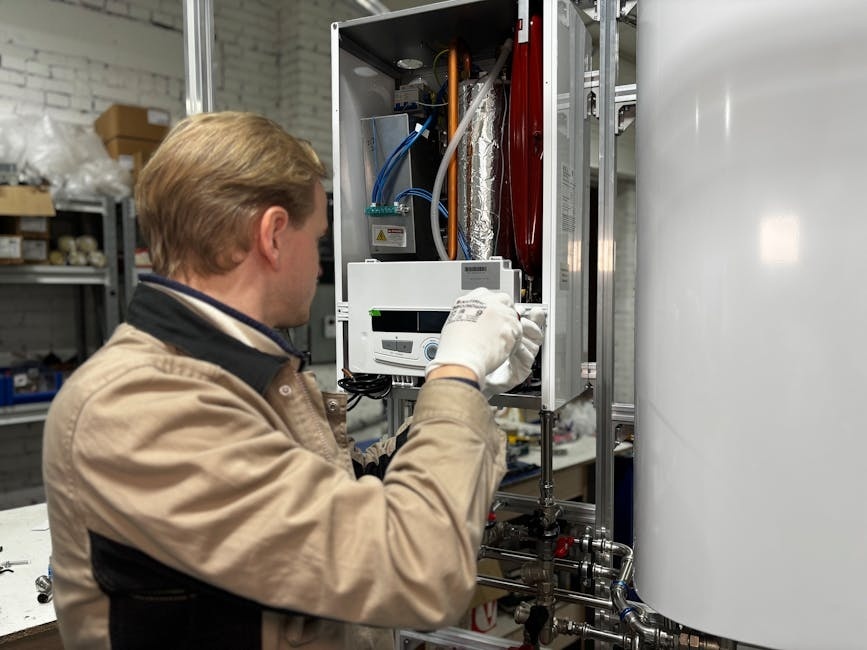
Water hardness in parts of Leicestershire means scale reducers or system filters are more than a nicety. I have seen plate heat exchangers on combis clog within two to three years where no inhibitor was used and the initial fill was not treated. A magnetic filter fitted on the return, cleaned at each service, pays back quickly in reduced wear.
Finally, keep details handy for rapid response. Reputable firms that handle boiler repairs Leicester wide will offer same day boiler repair when parts are available. Local emergency boiler repair lines can triage over the phone and decide if a site visit is truly urgent or if safe shutdown and a next-day slot will do. If you ask for urgent boiler repair at 10 pm because of a CO alarm, the right answer is not a quick reset. It is attendance once the property is safe and the emergency service has cleared the gas.
Costs, expectations, and how to brief an engineer effectively
Clear expectations make for better outcomes. Describe symptoms in order of appearance. Note the fault code if one is shown, but also share what you heard and smelled. Did the boiler try to ignite three times before locking out, or did it shut down abruptly? Did pressure climb with heat and then drop back, or did it only ever fall? Did a particular radiator or tap coincide with issues? Engineers build a mental model faster when they have those details.
Prices vary by region and time, but you can expect an annual service to be a modest fixed fee, often between 70 and 120 pounds depending on scope. Diagnostic visits may be a fixed rate for the first hour, then labour plus parts. Same day boiler repair can carry a premium, especially after hours. Be wary of any quote that seems unrealistically low for complex faults. Cheaper visits that skip combustion analysis or flue checks are not a bargain if they leave safety unverified.
Records and small habits that keep you covered
Keep a folder or a digital log. Note service dates, any parts replaced, inhibitor or filter maintenance, and CO alarm test dates. Stick a label near the boiler with static details: system pressure cold, date of last vessel recharge, and the model numbers of key components. If you rent property in Leicester or anywhere in the UK, keep your Gas Safety Certificate current and accessible to tenants. For homeowners, warranty terms on newer boilers often require proof of annual service. Documentation is not paperwork for its own sake. It speeds diagnosis, protects you in case of sale or insurance claim, and lets you catch patterns like a pressure loss that only happens each winter.
When to call now, not later
A few situations deserve immediate attention from a Gas Safe registered boiler engineer.
- Any sign of flue damage, staining, or fume smell around the boiler. Repeated ignition failure with audible puffs or bangs at light-off. Pressure swings that open the relief valve or persistent dripping from the discharge pipe. Frequent lockouts paired with dizzy spells or headaches when the heating runs, even if the CO alarm is quiet. Frozen or repeatedly freezing condensate pipe that stops the boiler during cold snaps.
You will read plenty of online tips about temporary fixes. Some are harmless, many are not. Tape around a flue joint, blocking air grilles on older appliances, or bypassing a safety thermostat to get heat for the night are decisions that do not bear thinking about in hindsight. If you are tempted, turn the system off and pick up the phone.
Choosing the right help
Quality shows up in behaviour long before a spanner touches a nut. Ask if combustion will be analysed and recorded during a service. Check that flue integrity is part of the routine, not an optional extra. Notice if the engineer takes time to explain pressure readings and what a normal swing looks like. A good local boiler engineer carries the right test equipment, has access to manufacturer technical support, and is happy to show their Gas Safe card.
If you need boiler repair Leicester focused, look for firms that cover the city and surrounding areas like Glenfield, Syston, and Loughborough, and that can handle same day boiler repair when justified. Many faults are not emergencies. Some are. The firms that treat that difference seriously are the ones you want in your contact list.
A final word on safety culture at home
Boiler safety is not a single act. It is a routine. Test the alarm. Glance at the gauge. Listen at start-up. Book the service before the rush. Ask sensible questions. Teach your family how to turn off the gas and where to call in an emergency. None of that requires special skill. All of it buys you comfort and confidence.
In the end, a well maintained boiler is uneventful. It lights, it runs, it rests. When you hear something new or see something odd, trust that instinct. Early calls are almost always cheaper than delayed ones, and safe beats lucky every time. If your next glance at the boiler tells you the pressure sits steady, the flue is clear, and your CO alarm passes its test, you have already done more for safety than most. And if the story your boiler tells is less reassuring, professional gas boiler repair is not just a service. It is peace of mind, restored with care and checks that every home needs.
Local Plumber Leicester – Plumbing & Heating Experts
Covering Leicester | Oadby | Wigston | Loughborough | Market Harborough
0116 216 9098
[email protected]
www.localplumberleicester.co.uk
Local Plumber Leicester – Subs Plumbing & Heating Ltd deliver expert boiler repair services across Leicester and Leicestershire. Our fully qualified, Gas Safe registered engineers specialise in diagnosing faults, repairing breakdowns, and restoring heating systems quickly and safely. We work with all major boiler brands and offer 24/7 emergency callouts with no hidden charges. As a trusted, family-run business, we’re known for fast response times, transparent pricing, and 5-star customer care. Free quotes available across all residential boiler repair jobs.
Service Areas: Leicester, Oadby, Wigston, Blaby, Glenfield, Braunstone, Loughborough, Market Harborough, Syston, Thurmaston, Anstey, Countesthorpe, Enderby, Narborough, Great Glen, Fleckney, Rothley, Sileby, Mountsorrel, Evington, Aylestone, Clarendon Park, Stoneygate, Hamilton, Knighton, Cosby, Houghton on the Hill, Kibworth Harcourt, Whetstone, Thorpe Astley, Bushby and surrounding areas across Leicestershire.
Google Business Profile:
View on Google Search
About Subs Plumbing on Google Maps
Knowledge Graph
Latest Updates
Follow Local Plumber Leicester:
Facebook |
Instagram

Visit @subs_plumbing_and_heating on Instagram
Gas Safe Boiler Repairs across Leicester and Leicestershire – Local Plumber Leicester (Subs Plumbing & Heating Ltd) provide expert boiler fault diagnosis, emergency breakdown response, boiler servicing, and full boiler replacements. Whether it’s a leaking system or no heating, our trusted engineers deliver fast, affordable, and fully insured repairs for all major brands. We cover homes and rental properties across Leicester, ensuring reliable heating all year round.
❓
Q. How much should a boiler repair cost?
A. The cost of a boiler repair in the United Kingdom typically ranges from £100 to £400, depending on the complexity of the issue and the type of boiler. For minor repairs, such as a faulty thermostat or pressure issue, you might pay around £100 to £200, while more significant problems like a broken heat exchanger can cost upwards of £300. Always use a Gas Safe registered engineer for compliance and safety, and get multiple quotes to ensure fair pricing.
❓
Q. What are the signs of a faulty boiler?
A. Signs of a faulty boiler include unusual noises (banging or whistling), radiators not heating properly, low water pressure, or a sudden rise in energy bills. If the pilot light keeps going out or hot water supply is inconsistent, these are also red flags. Prompt attention can prevent bigger repairs—always contact a Gas Safe registered engineer for diagnosis and service.
❓
Q. Is it cheaper to repair or replace a boiler?
A. If your boiler is over 10 years old or repairs exceed £400, replacing it may be more cost-effective. New energy-efficient models can reduce heating bills by up to 30%. Boiler replacement typically costs between £1,500 and £3,000, including installation. A Gas Safe engineer can assess your boiler’s condition and advise accordingly.
❓
Q. Should a 20 year old boiler be replaced?
A. Yes, most boilers last 10–15 years, so a 20-year-old system is likely inefficient and at higher risk of failure. Replacing it could save up to £300 annually on energy bills. Newer boilers must meet UK energy performance standards, and installation by a Gas Safe registered engineer ensures legal compliance and safety.
❓
Q. What qualifications should I look for in a boiler repair technician in Leicester?
A. A qualified boiler technician should be Gas Safe registered. Additional credentials include NVQ Level 2 or 3 in Heating and Ventilating, and manufacturer-approved training for brands like Worcester Bosch or Ideal. Always ask for reviews, proof of certification, and a written quote before proceeding with any repair.
❓
Q. How long does a typical boiler repair take in the UK?
A. Most boiler repairs take 1 to 3 hours. Simple fixes like replacing a thermostat or pump are usually quicker, while more complex faults may take longer. Expect to pay £100–£300 depending on labour and parts. Always hire a Gas Safe registered engineer for legal and safety reasons.
❓
Q. Are there any government grants available for boiler repairs in Leicester?
A. Yes, schemes like the Energy Company Obligation (ECO) may provide grants for boiler repairs or replacements for low-income households. Local councils in Leicester may also offer energy-efficiency programmes. Visit the Leicester City Council website for eligibility details and speak with a registered installer for guidance.
❓
Q. What are the most common causes of boiler breakdowns in the UK?
A. Common causes include sludge build-up, worn components like the thermocouple or diverter valve, leaks, or pressure issues. Annual servicing (£70–£100) helps prevent breakdowns and ensures the system remains safe and efficient. Always use a Gas Safe engineer for repairs and servicing.
❓
Q. How can I maintain my boiler to prevent the need for repairs?
A. Schedule annual servicing with a Gas Safe engineer, check boiler pressure regularly (should be between 1–1.5 bar), and bleed radiators as needed. Keep the area around the boiler clear and monitor for strange noises or water leaks. Regular checks extend lifespan and ensure efficient performance.
❓
Q. What safety regulations should be followed when repairing a boiler?
A. All gas work in the UK must comply with the Gas Safety (Installation and Use) Regulations 1998. Repairs should only be performed by Gas Safe registered engineers. Annual servicing is also recommended to maintain safety, costing around £80–£120. Always verify the engineer's registration before allowing any work.
Local Area Information for Leicester, Leicestershire